
Exploring your landscape with Digital Public History
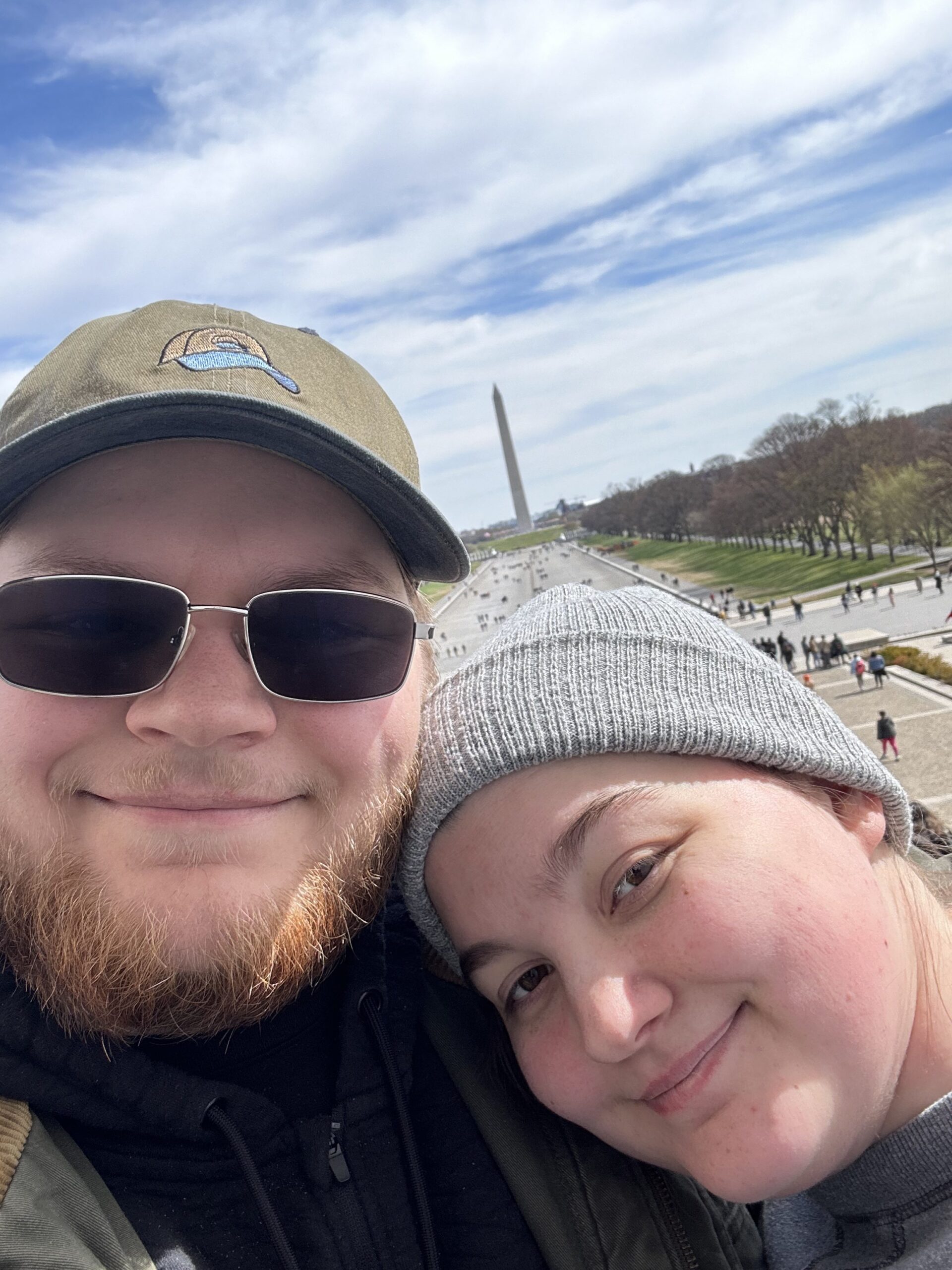
In the field of Digital Public History (DPH), many projects are location based, not only does it simplify the research to a single geographic area, but it also has a built-in ideal audience: those that live in or visit the chosen location. One such project is Histories of the National Mall, which intends to teach both locals and tourists about the National Mall in Washington D.C.
Histories of the National Mall is an in-depth Omeka site that balances, maps, people, events, primary source images, and interesting questions in order to educate about the Mall. My favorite of the features are the afforementioned questions such as “How are large objects displayed in the museums?” which answers the question, and discusses some of the intereting ways the museums on the mall were built around or built to accomdate the addition of new objects, such as removable glass windows, or building NMAH around a train that specially driven into the museum on custom tracks.
I think the maps are especially helpful for individuals who have not been to the mall before, or those looking for some of the lesser known buildings and monuments. Some of the place-based techniques used by the project are these maps, which include modern maps with pinpoints for events, people, monuments, and notable buildings. There is also a way to toggle the digital map to represent maps as old as “Pre-1800s” to show how the mall developed over time. When you filter by these historical maps, the pinpoints on the map change to reflect the new map, and only includes pins from a similar time period.
Overall the product is pretty neat, but I don’t think I’m the perfect audience for them. In many ways as someone who studies history, I wish a lot of the omeka items went into more depth (though they are probably a perfect amount of information for a public audience). In addition, the maps were less useful for me in person, as I have been to the mall a few times. I’ll also add that I personally like to explore the world without the interuptions that my phone can cause, so I am more likely to use the site when I’m not actually exploring the mall. I do like the site though, especially when I am home and it is easy to research topics that have brief overviews in the project.
